-
PRESS RELEASE: British author says UN’s warning on children and AI signals a new chapter for parents
August 4th, 2026 – When the United Nations Secretary-General said that no child should become ‘a guinea pig for unregulated AI’, British author Simon H King felt the conversation about children and artificial intelligence (AI) had reached a turning point. For years, much of the public debate around AI had centred on employment, productivity, regulation and what the technology might…
-
Bill Oddie.
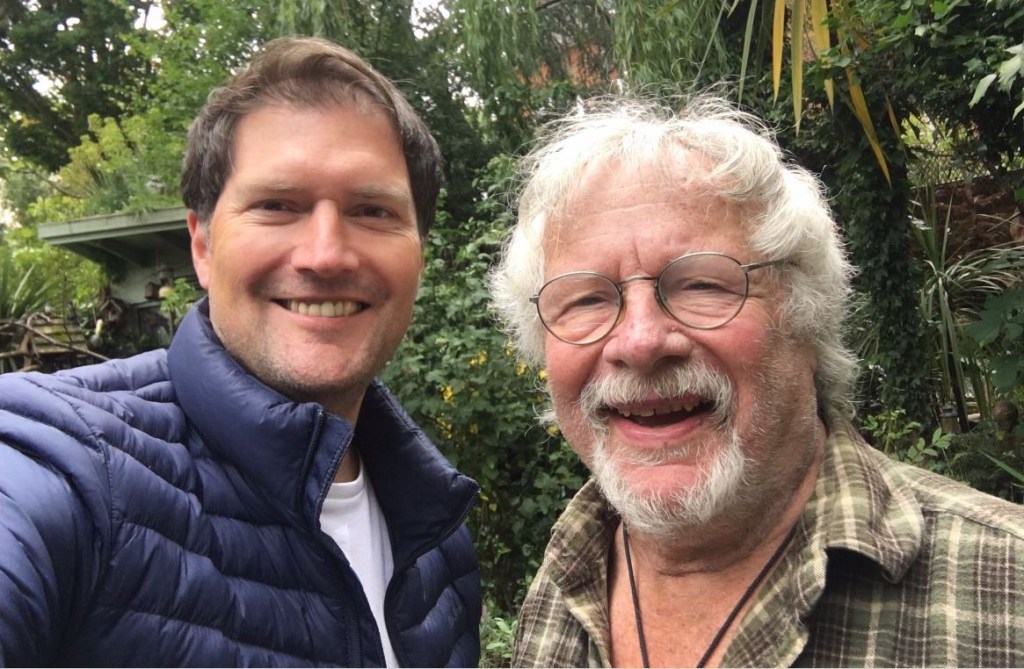
I’m deeply saddened by the passing of Bill Oddie. Bill worked alongside Haith’s for more than two decades, but he became much more than our resident bird expert. He became a true friend. His knowledge, humour and ability to bring birds and nature to life were quite extraordinary. Thank you, Bill, for your friendship and…
-
New book published
To everyone who has followed The Frightened Face of Nature over the years… Many of you first came across my writing through Maxwell Knight, natural history, and our changing relationship with the natural world. John and Margaret Cooper were both so kind to involve me in their Maxwell Knight story, and we three continue to…
-
Encounters with Nature in West Sussex: a foray on the South Downs
John E Cooper and Margaret E Cooper A warm and sunny Saturday 13th June encouraged a total of 22 people to attend all or part of a natural history field meeting in West Sussex. The venue for the field meeting was the Honeysuckle Lane Open Space (“The Sanctuary”), on the edge of High Salvington. See…
-
Thank you!
50,000+ views, readers from more than 150 countries and several years later, I’m pleased to report that The Frightened Face of Nature daily readership continues to grow. Perhaps that’s not surprising. Wherever we live, many of us share a concern for the natural world and the pressures it faces. Nature is under pressure almost everywhere.…
-
Feeding birds isn’t the problem. How we feed them is what matters.
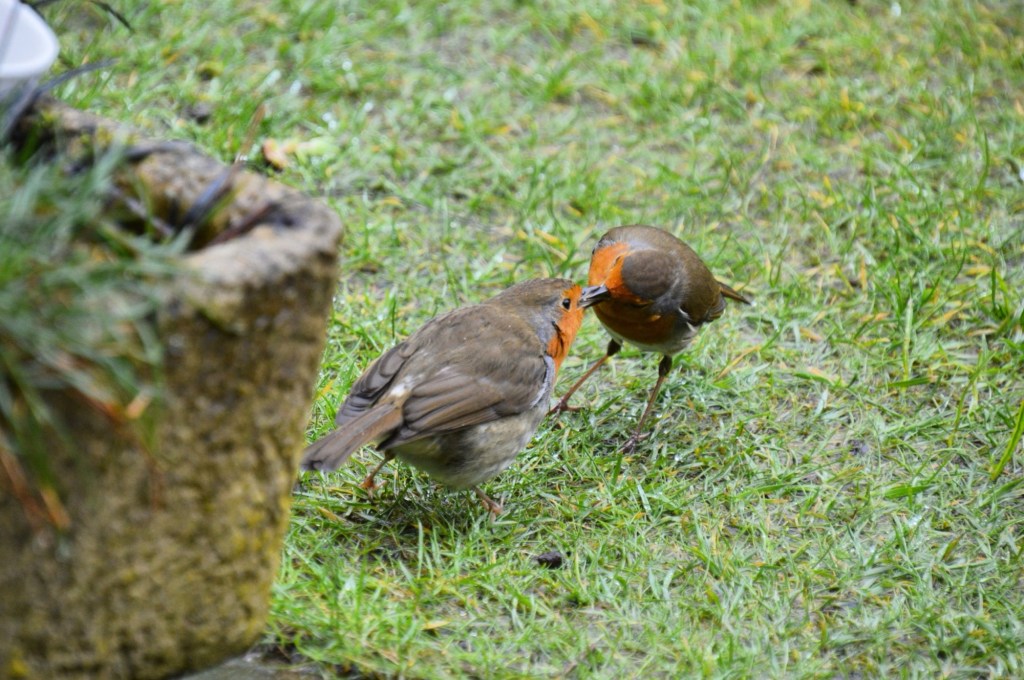
Birds rely on our gardens more than ever. Changes in farming, habitat loss, and climate pressures mean natural food sources are not always enough. Organisations like the RSPB and The Wildlife Trusts have described this as a “perfect storm” for wildlife, with species increasingly pushed out of the landscapes they once depended on. Feeding the…
-
Happy Easter
-
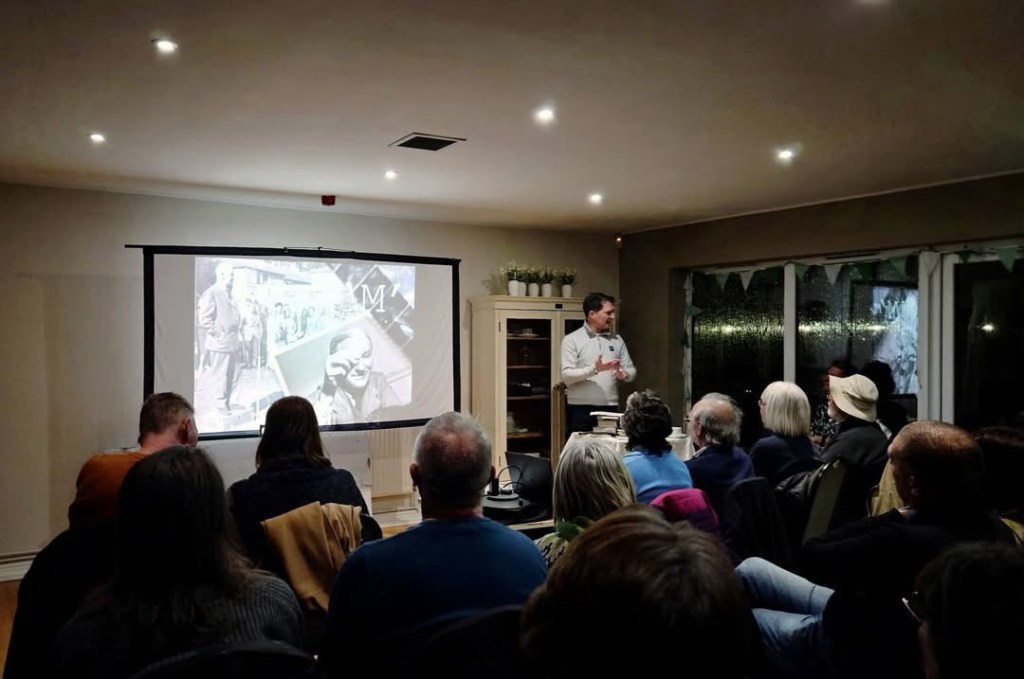
The Spy Who Loved Nature talk
-
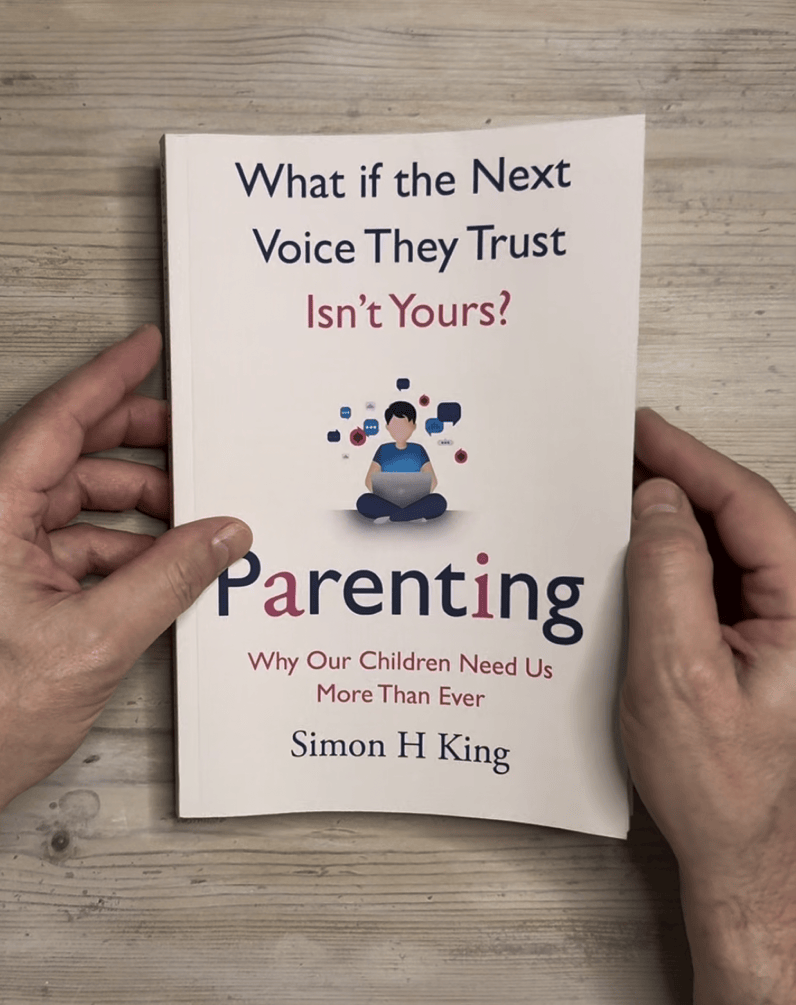
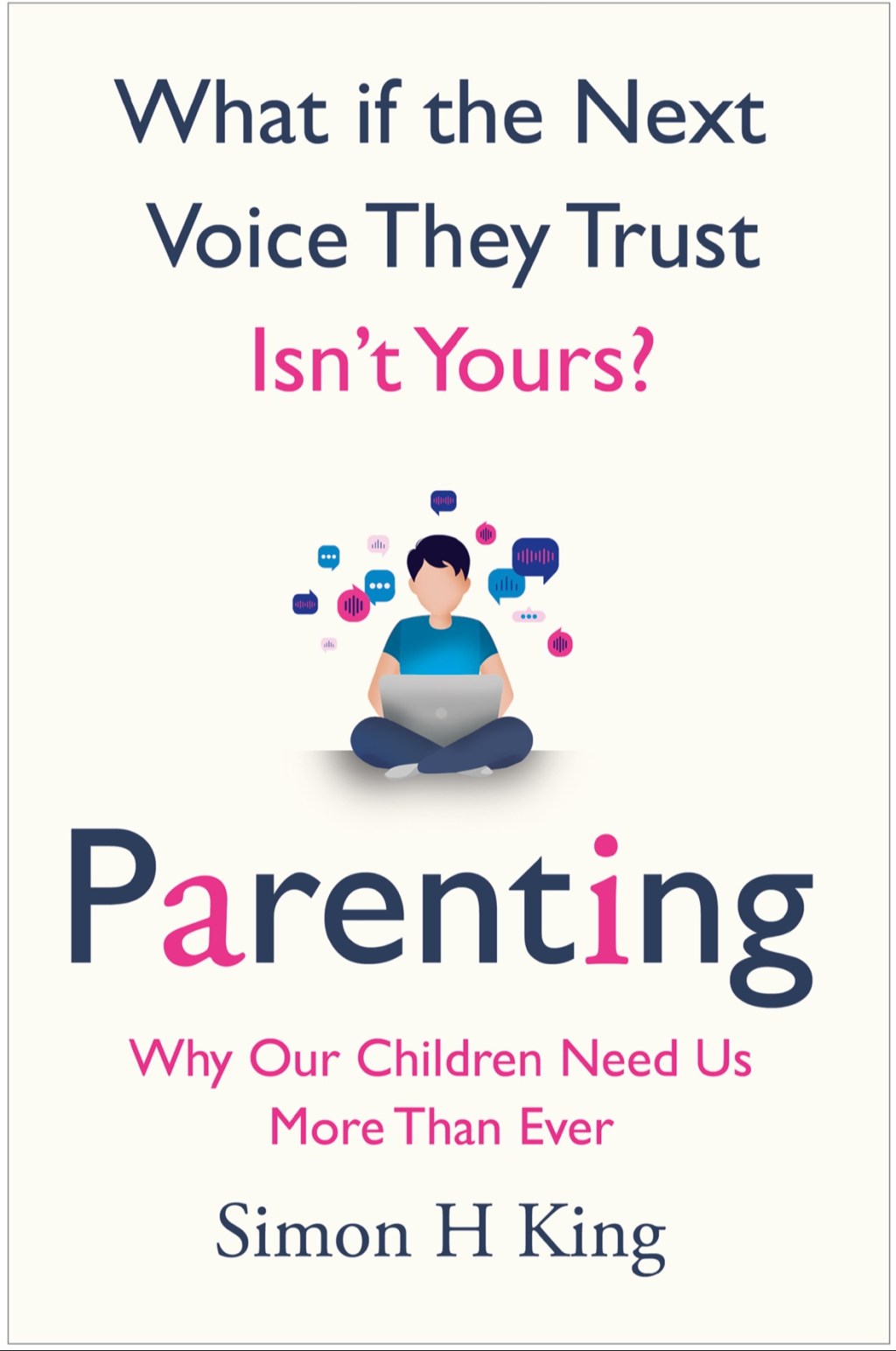
I’ve written a book.
For years, I’ve been drawn to the same question in different places: what happens when efficiency replaces relationships? Through The Frightened Face of Nature blog, I’ve explored that in our relationships with the natural world. (So did Maxwell Knight). In 2025, like many parents, I watched Adolescence on Netflix. I couldn’t stop thinking about how…
-
A Life with Nature – Wild and Tame.
-
Chelonians and Beyond: The British Chelonia Group Spring Symposium 2026
On Sunday 22nd March the BCG (British Chelonia Group) holds its Spring Symposium at Homerton College, Cambridge. The day promises, as always, to be fun, with lots of interesting people attending and an excellent programme of events. The emphasis is, understandably, on chelonians (tortoises, terrapins and sea-turtles) but speakers also refer to other aspects of…
-
Some lovely news to share…
We’ve just opened up part of our Naturespace project to a local CIC — Daniel’s Kitchen CIC — and I couldn’t be happier about it. This partnership means we’re not just talking about doing good in the community… we’re actually doing it. Together, we’re creating a space where people can grow food, connect with nature,…
-
Climate Change is Rewriting the Rules of Bird Breeding – Are We Paying Attention?
As spring arrives, birds across the world are getting on with the business of nesting, mating, and raising their young. It’s a rhythm as old as time, dictated by the seasons, food availability, and instinct. But new research suggests that climate change is throwing nature’s finely tuned calendar out of sync – and birds are…
-
Leadership, Leverage and the Burden of Power
Decision-making is at the heart of leadership – how power is used, how influence is wielded, and what happens when one has all the leverage. History, politics and business are full of instances where leaders with power have to make a choice: do they use their authority to create deeper relationships, or do they use…
-
Q13: If Nature Were a Business, Would It Be Bankrupt?
Imagine if nature were a business, a global enterprise providing essentials like clean air, fresh water and fertile soil. Every human is a shareholder, relying on its assets for survival and prosperity. Let’s examine the balance sheet: Source: WWF Living Planet Report 2024 Perhaps you think, “That’s unfortunate, but it’s happening elsewhere in the world.”…
-
Q13: How Do We Stay on Course When Politics Knocks Us Off?
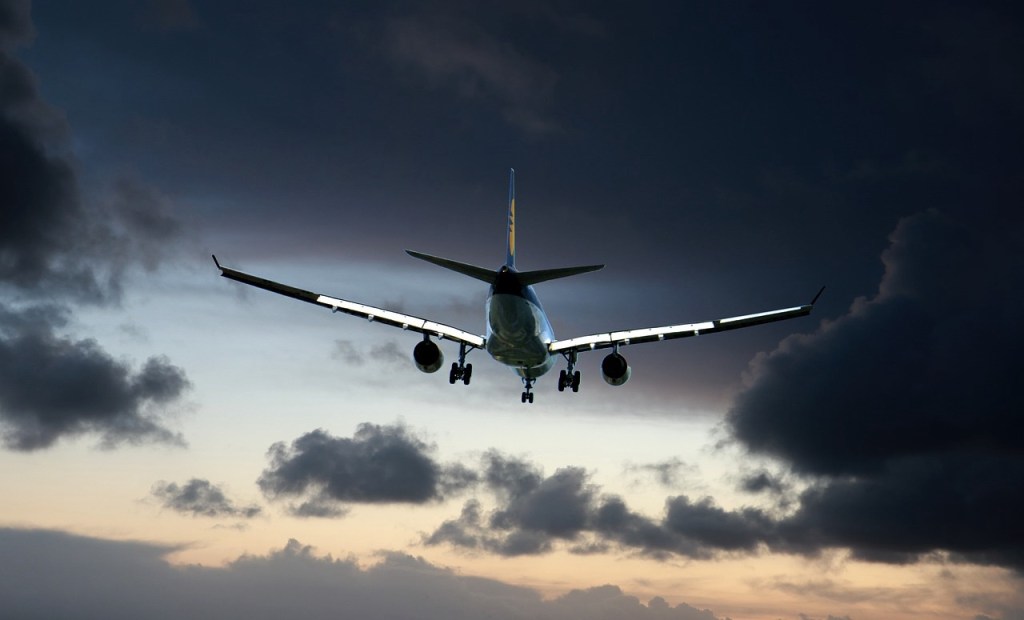
Picture this: You’re on a flight from London to New York. The pilots have a clear destination, but they spend most of the journey off course. Winds push the plane sideways, turbulence forces adjustments, air traffic control redirects them. Yet, despite all this, the plane still lands where it’s meant to – New York. The…
-
‘Straw Wars’: The Distraction We Keep Falling For.

Paper or plastic? The debate rages on. The White House’s decision to scrap paper straws in favour of plastic is making headlines. The administration argues that paper straws are weak, expensive and potentially harmful. Critics counter that bringing back plastic straws ignores the bigger environmental crisis. But here’s the real question: Why are we still…
-
Q12: What Can We Learn from Termites About Sustainable Living?
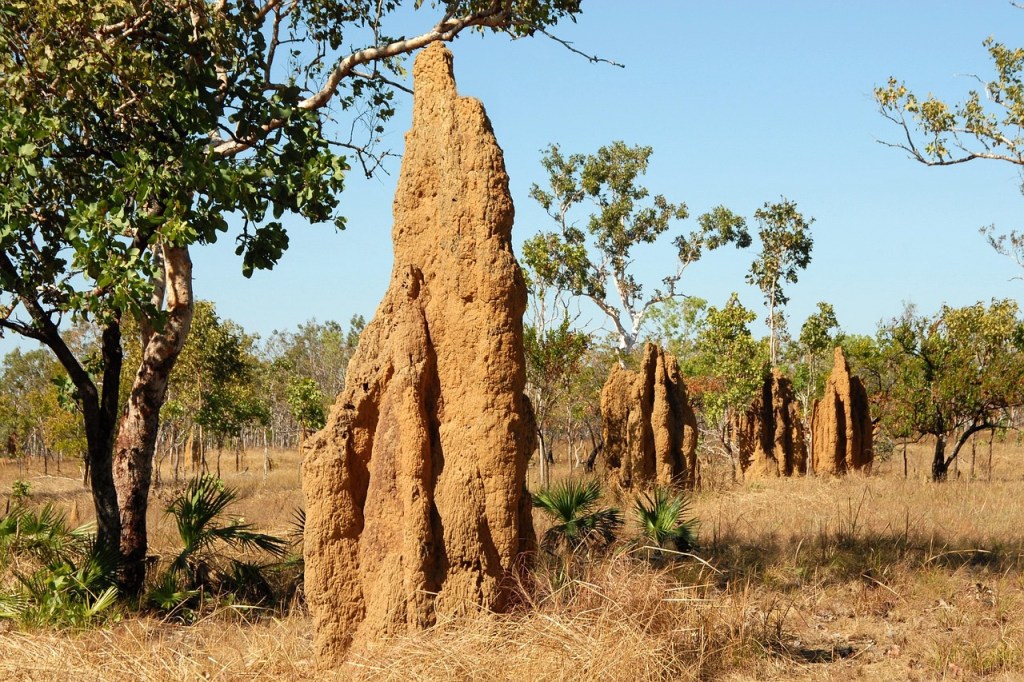
Two species. Two ways of living. One clear winner. Species A: Builds towering cities with built-in climate control. Uses only what’s needed – no waste, no excess. Thrives in some of the harshest environments on Earth. Works together to ensure survival, balancing growth with long-term stability. Species B: Bulldozes forests to build sprawling, resource-hungry cities.…
-
Does Nature Need Its Own MI5 & MI6?
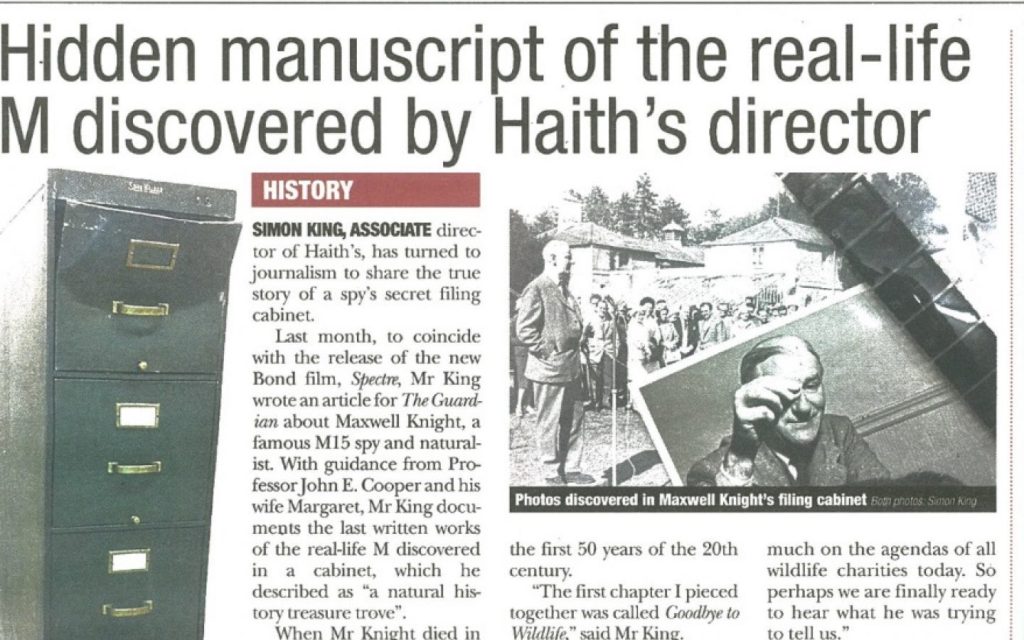
We protect economies with financial watchdogs. We protect national security with intelligence agencies. We track cyber threats with dedicated teams of experts. So why don’t we have an intelligence agency dedicated to protecting nature? It’s not as far-fetched as it sounds. Conservation Without Borders recently floated the idea of a Biodiversity Intelligence Agency – an…
-
Q11: Why Do We View Environmental Issues as ‘Somebody Else’s Problem’ and pop out for popcorn?

Imagine this: You’re in a packed cinema. Halfway through the film, smoke starts curling up from the carpet. A handful of people notice, but they don’t move. They assume someone else will sound the alarm. Meanwhile, the fire spreads. Some people pretend they don’t see it, hoping it’s not their responsibility. Others rationalise – Surely…
-
The 2025 BCG (British Chelonia Group) Spring Symposium.
A tortoise (and terrapin and sea-turtle) day in Cambridge, Sunday 2nd March. All welcome! The 2025 BCG (British Chelonia Group) Spring Symposium will take place on Sunday 2nd March at Homerton College, Cambridge – see attached poster and: http://www.britishcheloniagroup.org.uk/events/spring-symposium-2025 The day promises, as always, to be both educational and fun, with lots of interesting people attending and…
-
Q10: How Do We Balance Economic Growth with Ecological Stewardship?
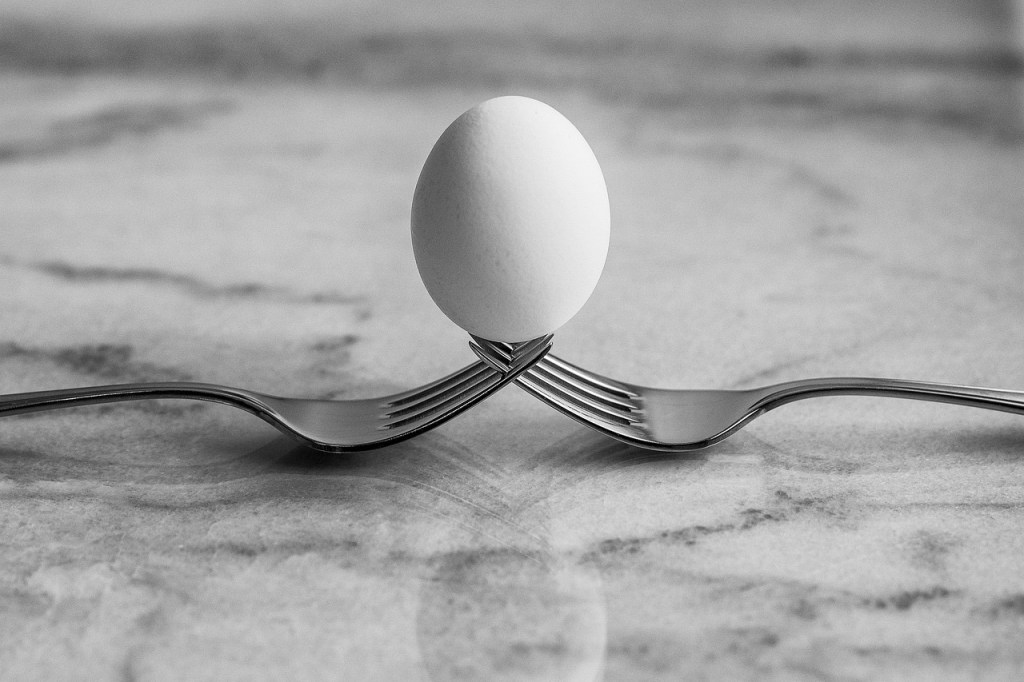
Imagine an egg delicately balanced between two forks. Lean too far one way, and it tumbles. Too much pressure from either side, and it cracks. That’s where we are with economic growth and ecological stewardship – walking a fine line between progress and scrambled eggs. For decades, we’ve been told that economic success and environmental…
-
Q9: Can Progress Exist Without Destroying the Planet?
Progress should be a word we associate with innovation and human growth. A promise of a better future for people and the planet. Too often, progress comes with unexpected consequences – it has a rattle in its tail! (Maybe it’s those two “s’s” together that make it so). The usual victims? The easy-to-exploit – people,…
-
Q8: What Would It Take for Us to Truly ‘Value’ Nature?
-
Q7: Why Does It Feel Like Our Efforts Aren’t Enough?
We play by the rules. We separate our rubbish, recycling what we can. We try to buy efficient cars and maybe stretch our finances to buy electric vehicles. Because we’re told it’s the right choice for the planet. Most of the time, we’re on our best behaviour. Okay, we slip up occasionally. Maybe we forget…
